
“Children’s Play-Based Assessments Northern Sydney”
At Berry Collective Psychology, our children's play-based assessments provide a natural way to understand how children communicate, respond to activities, and develop thinking patterns that support school readiness.
Play-based assessments allow psychologists to observe skills in familiar settings, aligning with principles in early childhood education where play guides children's learning and development. Through observation and gentle guidance, clinicians explore how children express interests, practise behaviours, and show emerging abilities within their learning environment.
Families across Northern Sydney seek these assessments for clarity about social communication, developmental progress, and how their child learns through play. Our approach combines observation, reflection, and evidence to support families in understanding their child’s growth
What Is a Play-Based Assessment?
A play-based assessment uses structured and unstructured play interactions to observe behaviour, communication, problem-solving, and social engagement. Children show a broad range of abilities through play, including how they test ideas, adjust to changes, and explore new challenges.
Natural Behaviour Observation
Psychologists use assessment practices that capture natural behaviour rather than requiring a child to follow rigid steps. This makes play-based work particularly suitable for early childhood, where children express themselves and communicate through play. Clinicians can observe how a child approaches challenges, responds to prompts, and applies what they know.
Focus Areas in Assessment
The process looks closely at children's early learning skills, communication skills, social and emotional wellbeing, and physical and sensory development. Some children may demonstrate early patterns that can guide future support planning.
Types of Play Observed
In these sessions, clinicians may observe imaginary and dramatic play, simple construction tasks, social exchanges, and activities linked to inquiry learning. These observations build a rich and detailed picture of the child’s strengths and early learning pathways.
How Play-Based Assessments Help Children
Revealing Hidden Behaviours and Abilities
A structured play-based approach highlights behaviours and abilities that may not appear in conversation alone. Children often reveal their thinking through actions, and this helps clinicians understand how their learning unfolds.
Understanding Developmental Profiles
Play-based work supports a better sense of the child’s developmental profile. For example, student's play abilities may show how a child organises materials, uses play ideas to solve small problems, or adapts when faced with a change in the task. These moments reflect real learning within a familiar setting.
Supporting Teachers and Families
The approach also supports clarity for teachers and families. When teachers observe student outcomes across early activities, they look for behavioural patterns, engagement, and willingness to try new tasks. Play-based assessments complement these observations by showing how a child behaves in a quieter therapeutic space.
Post-Assessment Guidance
After the assessment, families receive guidance that supports growth and ongoing learning, aimed at helping children make steady progress in their early development. This also helps educators and other teachers adapt their practice to meet children at their current stage of development.
Key Developmental Skills Assessed Through Play
Play represents thinking, communication, and emotional expression. During children's play-based assessments, our clinicians observe several skill areas that shape students' development and future learning.
Language and Communication
Play reveals early language use in meaningful ways. Children often express ideas through:
Symbolic actions
Oral language
Storytelling
Social interaction
Clinicians observe how children share ideas, respond to prompts, and derive meaning from imaginary and dramatic play. Some children communicate confidently, while others rely on gestures or simpler phrases. Both patterns offer insight into a students' level and communication pathways.
Observations may include:
How the child responds when adults observe imaginary play
Whether they apply concepts explored earlier
How they communicate, e.g. in complex sequences or simple exchanges
These moments reflect the child’s developing expressive abilities and inform planning to support ongoing learning.
Motor Skills
Motor skills appear in tasks that involve movement, building, or manipulation of objects. Clinicians observe fine and gross motor patterns through tasks such as stacking, drawing, and role-play setups. These tasks may also show how children practise simple skills or begin to combine movements in complex sequences.
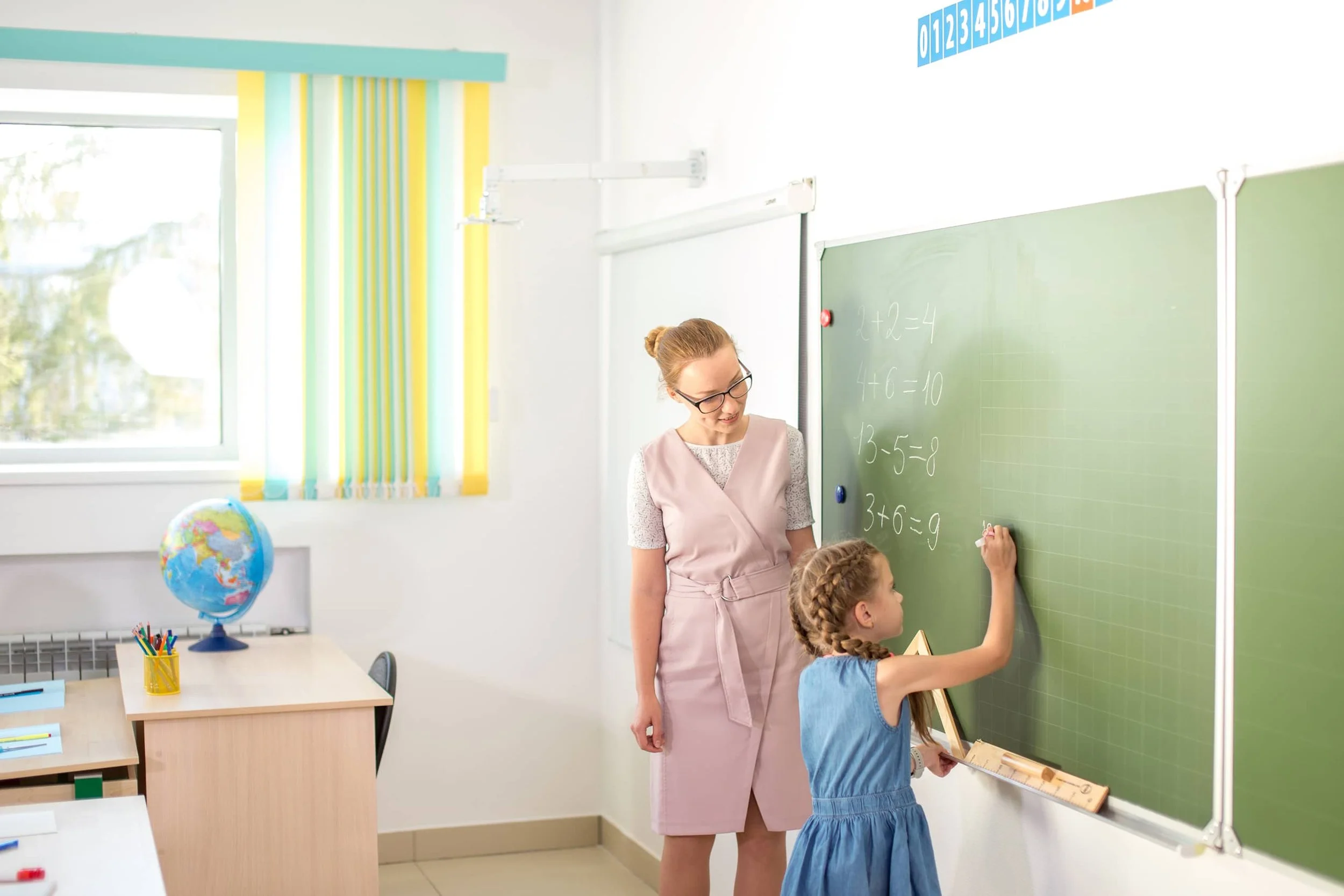
Activities involving manipulating objects show how children build coordination and persistence. Observations across an extended period allow the clinician to see how a child adapts when a task becomes more challenging.
These insights help families and teachers understand how motor development supports wider learning experiences across early years.
Social Development
Social growth is central to early learning. Our clinicians observe:
Turn-taking
Shared play
Emotional expression
Responses to peers
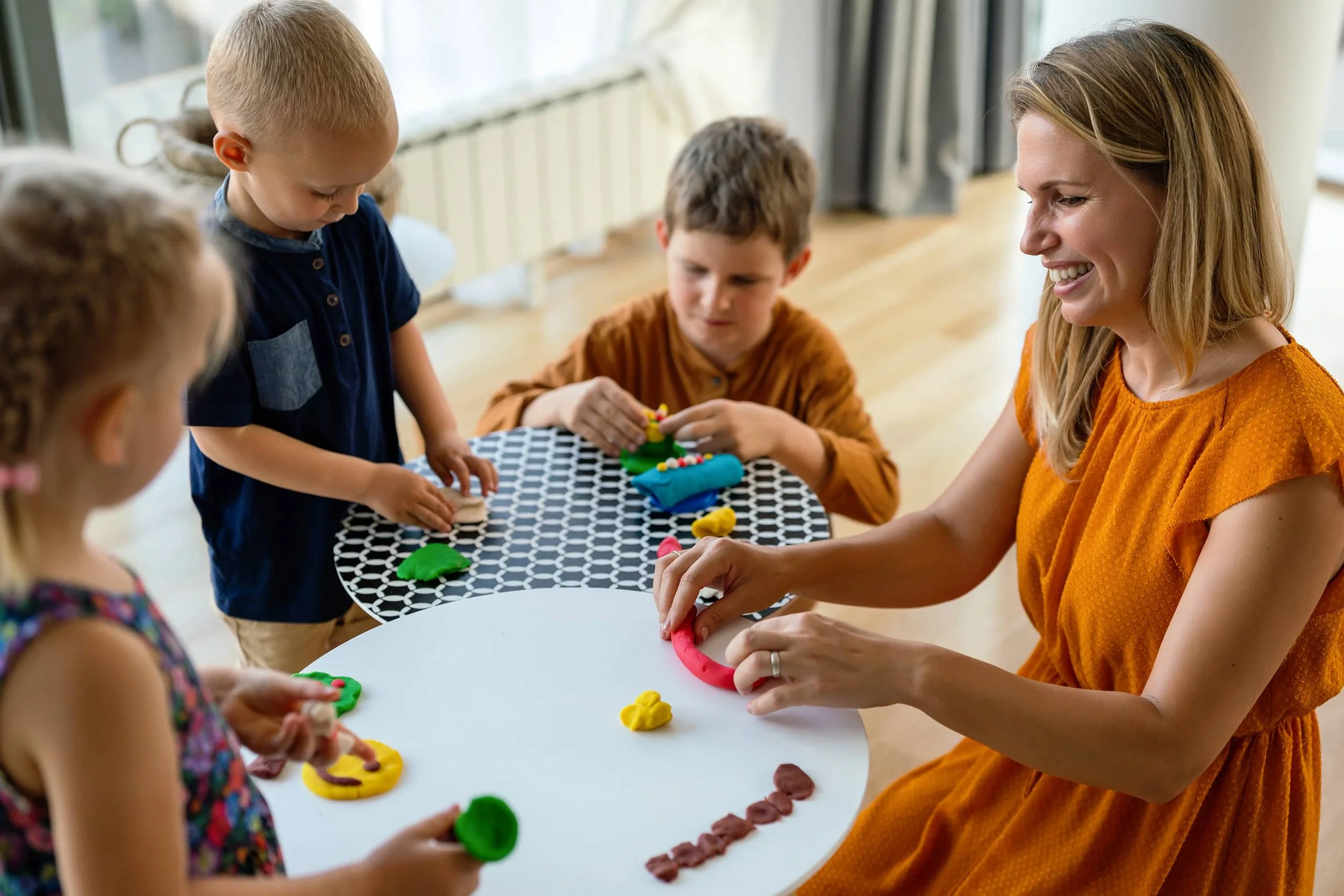
Play sessions may involve a young boy, a young girl, or mixed-age groupings, offering insight into how children interact across different age groups. Through dramatic play skills, children often express relationships, expectations, and feelings.
Some children show comfort in group play, while others prefer parallel play or individual play. Observing these patterns provides meaningful guidance for supporting students at home and school. It also helps identify how a child uses creative capabilities or symbolic actions to express inner experiences.
Play-Based Assessments in Northern Beaches Clinics
Our clinic provides a calm and supportive place for families seeking insight into early learning skills and behaviour. We use evidence-based frameworks to guide each play-based assessment, ensuring every child feels safe, listened to, and respected.
Our assessments highlight:
play abilities across different settings
capacity for greater socio-emotional understanding
indicators of early academic readiness
patterns within play-based learning
the ability to begin making sense of tasks independently
Clinicians encourage natural behaviour so that observations reflect authentic responses. Children may spontaneously initiate new games or draw inspiration from materials offered during the session.
Through this approach, sessions reflect how children typically explore, reflect, and persist in tasks related to early growth.
How Parents Can Support Children After the Assessment
Families play a central role in sustaining ongoing learning, and guidance from the assessment helps shape next steps. Recommendations may include:
Opportunities for child-led play
Simple tasks that support play development
Activities that promote social skills
Time for pretend scenarios involving dramatic play
Approaches that help with greater self-regulation
Clinicians may also discuss how to encourage the child’s own learning, whether through quiet exploration, hands-on activities, or routines that build persistence.
Reports include reflection on:
student outcomes shown in the assessment
links to learning outcomes
areas where teachers may offer adjustments
moments where children demonstrated more complex abilities or early strengths
Families also receive guidance on supporting specific students at home in ways that mirror the child’s natural style. For some children, free play nurtures confidence, while others benefit from shorter tasks with gentle direction.
The report highlights how children use their own role expression, early reasoning, and development skills during play. This supports planning for teachers and practitioners who work closely with the child in future learning settings.
FAQs
-
The play session goes for 90 minutes. For many children, a session of this length allows for steady observation and interplay between structured and spontaneous tasks.
-
Yes, for children over two years old. Play sessions support observation for very young learners, including toddlers. Because the approach occurs naturally, it reflects abilities in the earliest years and aligns with expectations for early years learning.
-
Assessments highlight patterns across communication, play abilities, emotional regulation, and social interaction. When signs suggest developmental delays, planning can focus on further support which may include a referral to a paediatrician.
-
Families receive a written summary with clear guidance. Clinicians present findings in direct language, focusing on observed behaviours and how teachers may respond to a child’s needs across early learning settings.
A Supportive Path Forward for Children
Berry Collective Psychology is committed to offering thoughtful, child-centred children's play-based assessments across Northern Sydney. Through careful observation and clear communication, we help families understand early strengths, emerging skills, and pathways that support confident growth.
If you would like to discuss an assessment or seek further guidance, our team is available to offer steady, evidence-grounded support for your child’s early learning journey.