

“Our Play and Observational Assessments provide insight into your child’s developmental progress in terms of early learning skills, communication, social and emotional wellbeing, and physical and sensory development.”
Would you like to learn about your young child’s strengths and challenges? Do you have some queries about your child’s progress but you don’t want to engage in diagnostic testing at this stage?
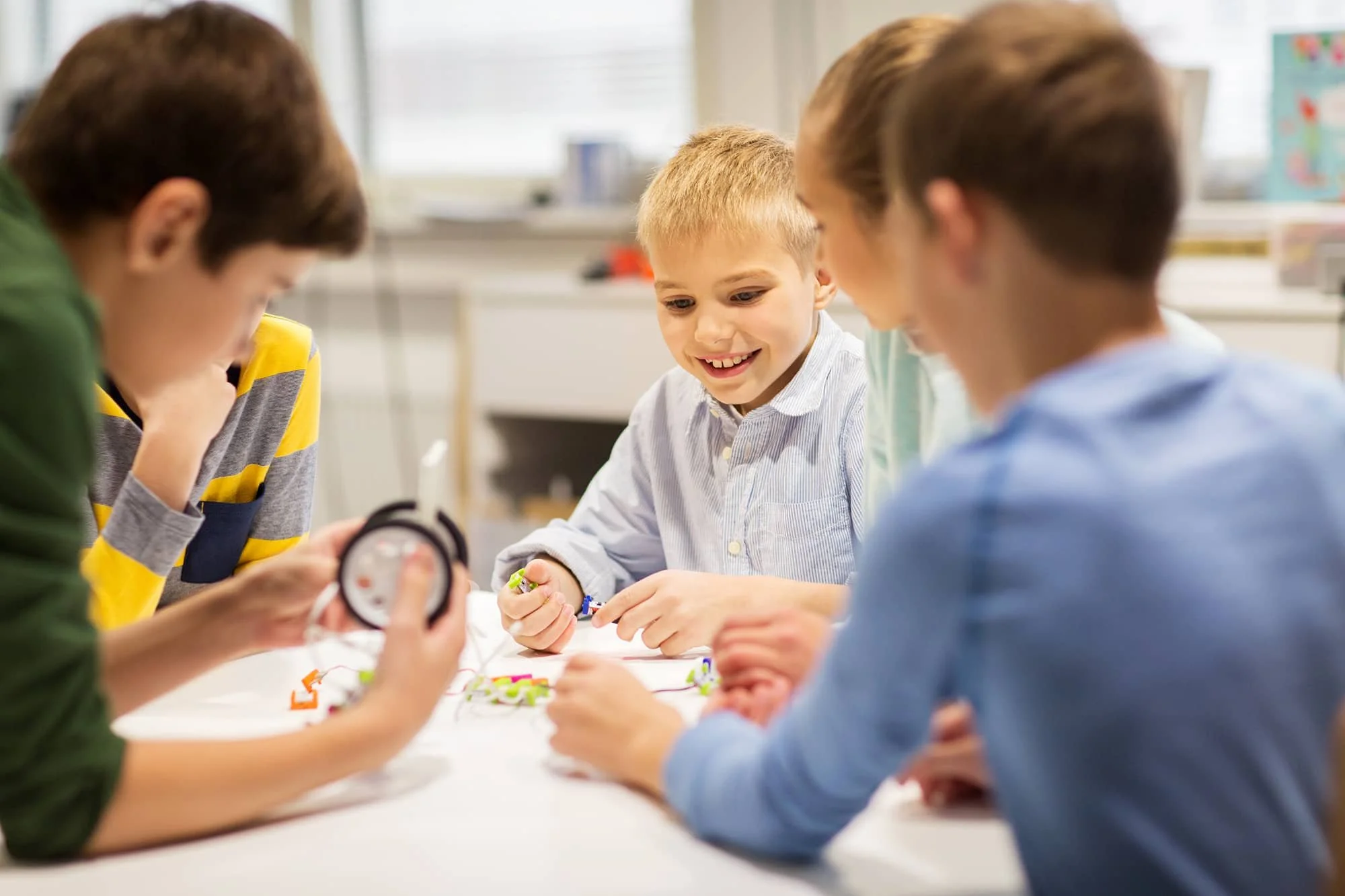
Our Play and Observational Assessments are designed for children between approximately 2 and 6 years of age. At this age children are most comfortable expressing themselves through play. We aim to step into the child’s world of play and be guided by them, to better understand their stage of development.
Using toys and games familiar to your child, our experienced psychologists will engage your child in a fun and interactive way. Following the play and observation session, and interviews with you and your child’s educator, you will receive a report which details your child’s developmental progress in several specific areas, including early learning skills, communication and interaction, social and emotional wellbeing, and physical and sensory development. Your psychologist will provide recommendations to assist you and your child’s educators to best support your child.
Common Reasons for a Play and Observational Assessment
I would like to know if my child is achieving their developmental milestones.
My child’s behaviour seems to be different between home and their education setting.
My child’s educator has flagged a concern around my child’s communication skills.
My child seems to have some difficulty during social interactions.
I would like to know whether my child is ready for the transition to school, and understand what support might be required for starting school.

Our Approach
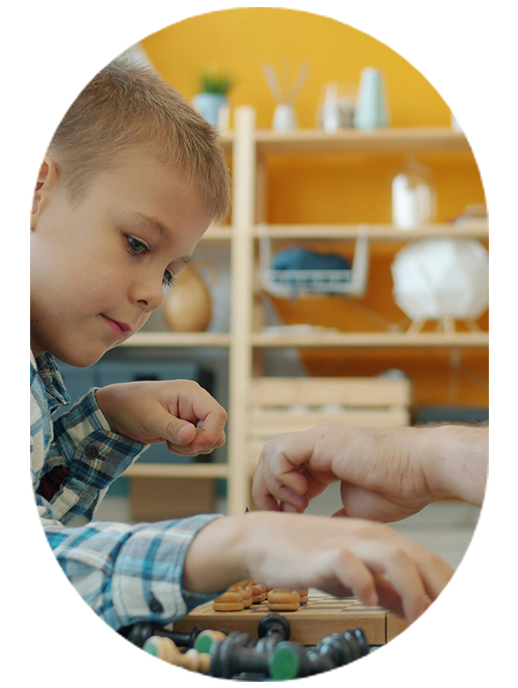
At Berry Collective Psychology, our Play and Observational Assessments allow young children to show their strengths and challenges in a natural way. Using familiar toys and games, our psychologist will engage your child in a fun and interactive way. Following the play session, our psychologist will provide recommendations to support your child at home and in their learning environment.
How it works
01.
Intake call – 15 minutes
02.
Parent Interview - Up to 1 hour
Your psychologist will seek your insights into your child’s wellbeing and development, and collect all necessary clinical information.

03.
Educator Interview – 30 minutes
Your psychologist will speak with your child’s lead educator, someone who knows your child well in their learning setting, to seek their insights and queries.

04.
Play and Observation session – 120 minutes
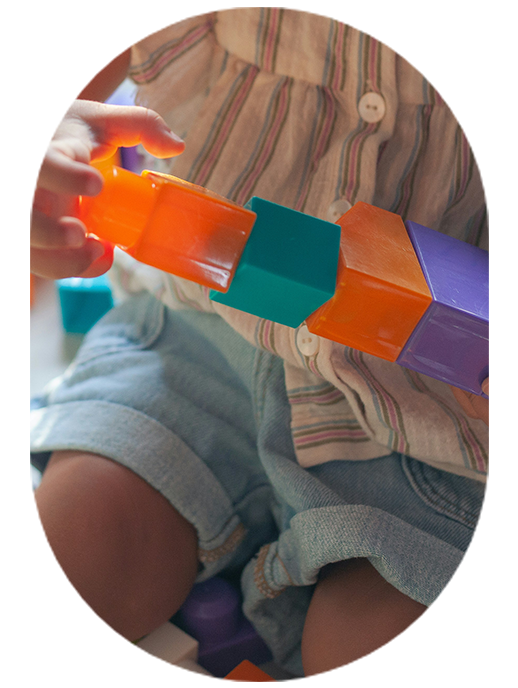
Your psychologist will gently engage your child in play while observing their skills, interactions, and emotional responses - either at their early education setting or their school.
05.
Feedback session - Up to 1 hour
You will receive information about your child’s level of development, and a comprehensive written report which includes practical evidence-based strategies to support your child’s development.
For further information or to book a Play and Observational Assessment, please request an appointment or contact our friendly Admin team on 9997 6246.
For information on Educational and Diagnostic assessments, please visit our Educational and Diagnostic Assessments page.
FAQs
What age group is the Play and Observational Assessment designed for?
This assessment is designed for children aged 2–6 years, when play is the most natural way for them to express themselves.
How long does the assessment take?
The process involves several steps, including interviews and a 2 hour play/observation session. You’ll also receive a written report during a feedback session, approximately three weeks after the play session.
Where does the assessment take place?
For children in both early education and at school, our psychologists attend the education setting.
If my child does not attend daycare or kindergarten, can they still have an assessment?
Yes absolutely. We would conduct the play session in our Play Studio at our practice.
Do I need to prepare my child for the assessment?
No preparation is required. We use familiar toys and games so your child feels comfortable and at ease.
What does the report include?
You’ll receive a detailed summary of your child’s developmental progress across several domains including early learning skills, communication and interaction, social and emotional wellbeing, and physical and sensory development. The report will also include recommendations for practical strategies to support your child.
Will my child receive a diagnosis?
The Play and Observational Assessment is not a diagnostic assessment. Instead, it provides developmental insights and recommendations. If diagnostic testing is required, we may suggest an Educational and Diagnostic Assessment.
How can this assessment help my child at school?
The report can guide educators with evidence-based strategies to better support your child’s learning and social development in the classroom.
How much does the assessment cost?
Our Admin team can provide current fees and available rebates when you enquire.
Can both parents attend the feedback session?
Yes, we encourage both parents or caregivers to attend where possible, so everyone understands the findings and recommendations.
How do I book?
You can request an appointment directly through our website or by calling our Admin team.
How do I choose whether my child needs a Play and Observational Assessment or a Diagnostic Assessment?
An Educational and Diagnostic Assessment can be conducted for a child over 4 years of age. An Educational and Diagnostic Assessment will answer a specific question about whether your child meets criteria for a particular diagnosis, such as a specific learning disorder (e.g. Dyslexia, Dyscalculia), Intellectual Disability, or ADHD. If you have had ongoing concerns about your child's progress, and you have received guidance from some professionals that a diagnosis may be indicated, then an Educational and Diagnostic Assessment may be the best option.
If you are specifically querying a diagnosis of Autism, then an Autism Assessment is likely to be the best option.
If you have more broad and general questions about your child's developmental progress, you're curious about how they are doing in several areas, and you are not focused on investigating a diagnosis at this stage, then a Play and Observational Assessment may be the best option.
Our Intake team can provide more information during your intake call, which you can book by requesting an appointment.