
“Children’s Play & Observational Assessments Northern Sydney”
At Berry Collective Psychology, our children's play and observational assessments help families understand their child's development, behaviour, and learning preferences by observing how individual children explore and express themselves through play.
Play is central to early childhood education, providing a natural way to see how children typically solve problems, connect emotionally, and show creativity. Our structured observations and reflections reveal how children interact with their learning environment and identify areas for support.
We create space for children to explore at their own pace through play-based activities and imaginative tasks. This approach highlights the child's skills, their progress towards early developmental milestones, and where additional help may be beneficial.
Understanding Play and Observational Assessments
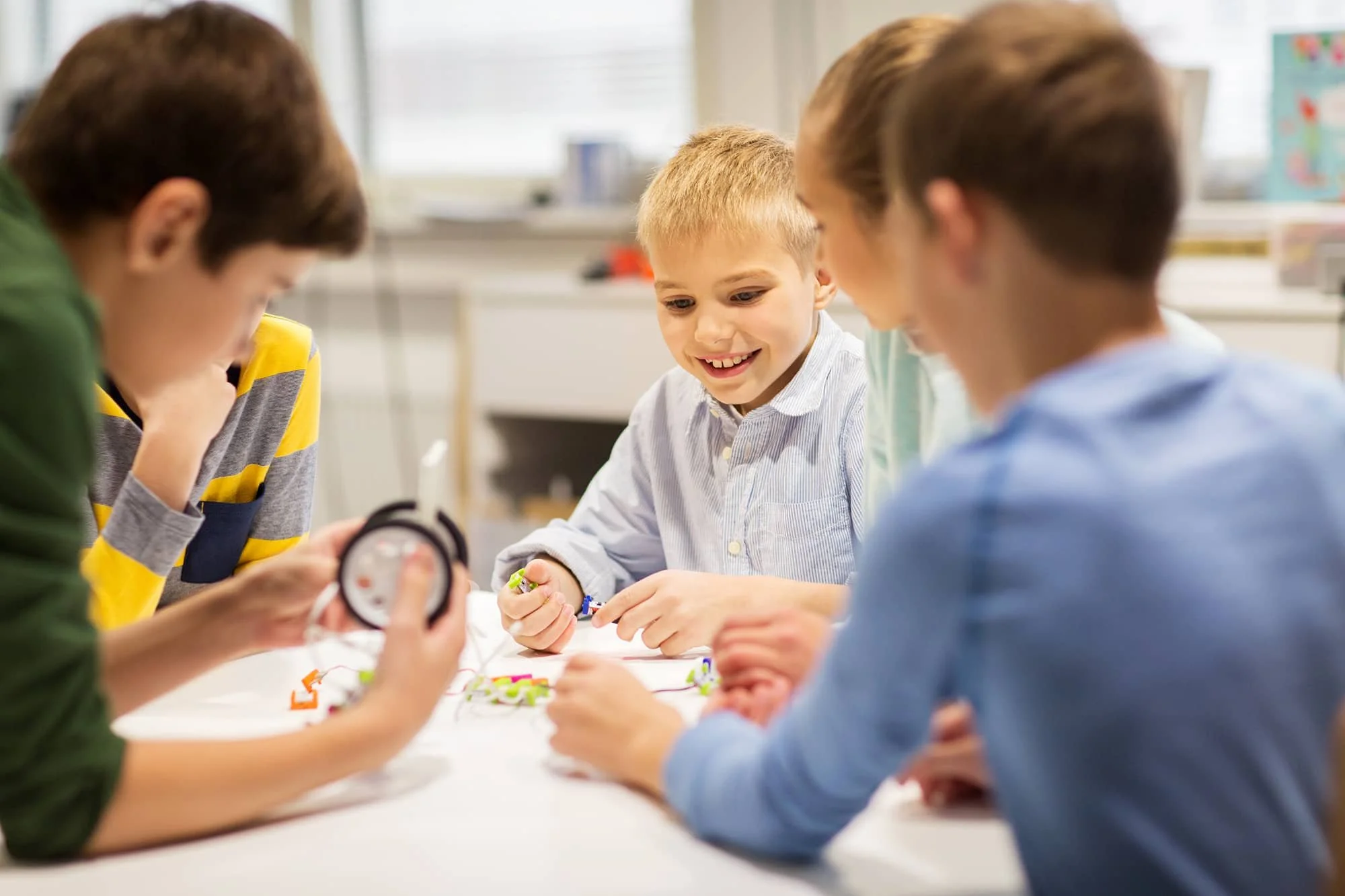
A play and observational assessment explores how a child expresses ideas, learns through experience, and interacts with others. Clinicians gather evidence through structured observation, short activities, and reflection on the assessment process.
This form of assessment helps children show their abilities in a familiar environment. Because play occurs naturally, clinicians can observe moments that reveal how a child’s development is unfolding.
These assessments are used for children aged two to six years old, particularly when families seek a holistic picture of a child’s strengths and challenges. Through reflective methods, clinicians review the child’s actions, language, and interactions. This helps form a clear view of the child’s learning and developmental progress across a number of domains.

Why Play-Based Approaches Work for Children
Play allows children to express their thinking and feelings before they have the vocabulary to describe them fully. This makes it suitable for children across diverse age groups and stages of communication.
A play-based approach recognises that a child's knowledge expands through hands-on experiences. Through inquiry learning, early interactions, and guided moments, clinicians can observe how children apply recently explored earlier concepts in new situations.
Key Benefits of Play-Based Assessment
Captures authentic behaviour: Because many play interactions unfold spontaneously, authentic assessment captures behaviour patterns that may not appear in formal settings.
Supports emotional expression: Play, especially imaginary and dramatic play, allows children to express feelings they may not yet verbalize.
Reveals problem-solving skills: Children demonstrate complex sequences of thought and action during play, showcasing their reasoning and creativity.
Tracks developmental progress: Observations across future play sessions help clinicians monitor the child's progress and evolving students' play abilities.
Engages diverse learners: Play suits children with many different play abilities, allowing each child to participate at their own level.
Why Play Matters in Assessment
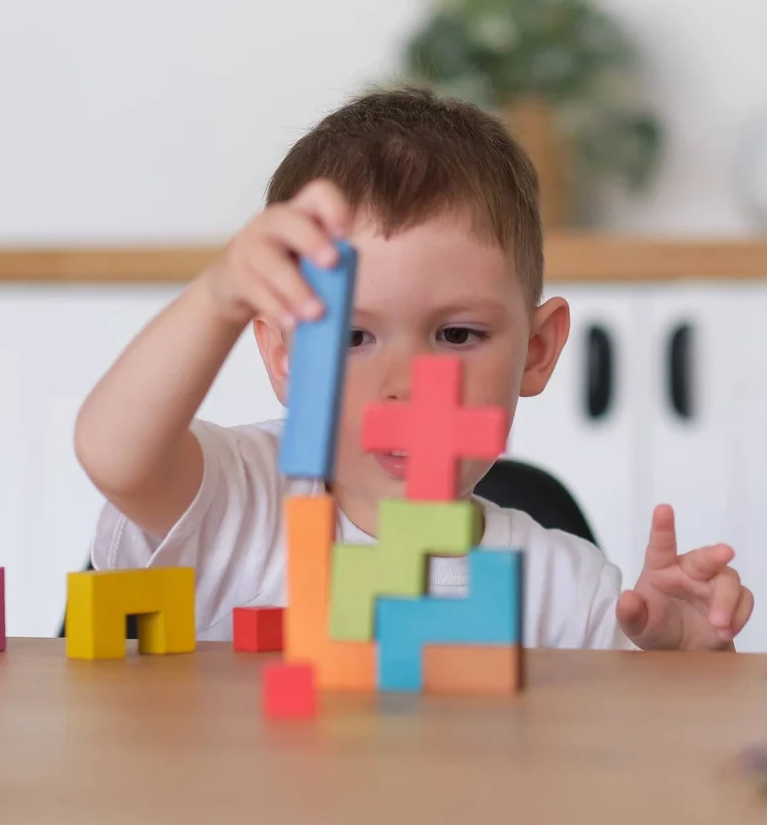
Play is not just a fun activity—it is an essential aspect of childhood development and an effective window into a child’s mind. By observing play, clinicians gain valuable insights into a child's:
Use of imagination and creativity
Ability to engage with peers and adults
Emotional regulation and expression
Capacity for sustained attention and persistence
Emerging language and communication skills
This holistic view helps inform tailored supports and interventions, ensuring that the assessment serves the child's growth.
By integrating play into the observation process, clinicians develop a report that teachers rely on to provide a rich, nuanced understanding of each child’s unique strengths and needs.
What Psychologists Look for in Play Sessions
Structured play observations help clinicians understand a broad range of early skills. These skills influence communication, learning, behaviour, and relationships across home and school settings.
Social Interaction
Social engagement is a key focus. Clinicians observe how children approach other students, join activities, and respond to peers. During play, children show preferences, comfort levels, and early self-regulation skills.
Interaction patterns reveal a child’s ease in forming positive relationships, sharing space, or responding during cooperative tasks. Children may show behaviours linked to greater self-regulation, especially in situations involving turn-taking or negotiation.
Problem-Solving Skills
Problem-solving is frequently observed through play skills and reasoning tasks. A child may show simple skills, or they may demonstrate more complex abilities as they engage in extended play.
Some children use play ideas to build sequences, while others show complex abilities through planning or adapting strategies when challenges arise. Observing how children adjust to frustration or uncertainty helps clinicians understand the child’s capacity for flexible thinking.
These behaviours help inform planning for a supportive learning environment, especially when linked with the child’s learning outcomes and early thinking styles.
Emotional Regulation
Emotional expression is another important focus. Through imaginary and dramatic play, children show how they manage feelings, respond when plans shift, or interact during moments of excitement.
Some children express emotions clearly through dramatic play, allowing clinicians to observe emotional themes or patterns. Others show quieter signs, which can be seen through body language or subtle responses during imaginary interactions.
Understanding how children express emotions through their own play gives insight into coping strategies and areas that may need strengthening.
Play & Observational Assessments on the Northern Beaches
At Berry Collective Psychology, our clinicians complete play and observational assessments with a gentle approach grounded in evidence and care. We work with early childhood education providers, families, and community professionals to understand the child’s experiences across settings.
Exploring Through Play and Interaction
Assessment sessions may include imaginary and dramatic play, language tasks, symbolic activities, and interactions that highlight creative capabilities. Our work acknowledges that children typically express knowledge and emotion through movement, communication, and unstructured play.
Reflecting on What We See
When reviewing the findings, clinicians reflect on the assessment tool, the behaviours observed, and the context in which they occurred. This combination helps form a holistic picture of the child’s readiness for learning, their strengths, and areas where they may benefit from further support.
What Happens After the Assessment
When the assessment is complete, families receive a detailed report describing the child’s interactions, developmental progress, and observed abilities. This summary integrates information from child observations, activity responses, and interpretation of student outcomes.
The report highlights early learning skills, communication, social and emotional wellbeing, and physical and sensory development.
Recommendations may relate to:
Strengthening early play development
Encouraging expressive communication
Creating opportunities for learning experiences at home
Supporting students' development through structured routines
Choosing learning programs aligned with age groups and needs
If relevant, families may receive guidance on assessment practices used in early education or ways to build their own learning beyond the assessment.
The aim is to help families understand their child’s abilities, early pathways for helping children, and ways to foster growth with calm, consistent support.
FAQs
-
These assessments support young children aged between two and six years old. Young children express knowledge, emotion, and exploration naturally, making play a fitting context for observation.
-
Parents may observe quietly depending on the setting, though some children participate more freely without their parents present. Decisions are made with consideration for individual children and their comfort.
-
Clinicians discuss outcomes through clear language, focusing on the child's knowledge, observed behaviours, and the context in which interactions appeared. Families receive an explanation of assessment practices, learning environment observations, and steps that support ongoing growth.
A Supportive Start for Children’s Growth
At Berry Collective Psychology, we offer a steady and thoughtful approach to children's play and observational assessments across Northern Sydney and the Northern Beaches. Our clinicians combine evidence with warm engagement to help families gain clarity about their child's development, emerging strengths, and early pathways for growth.
If you would like to book an assessment or seek further information, our team is ready to assist with care, openness, and a grounded approach.