

Educational Assessments in Northern Sydney
Understanding a child’s learning profile can be one of the most valuable steps toward improving educational outcomes. At Berry Collective Psychology, our educational assessments in Northern Sydney are designed to provide a clear picture of each child’s development and academic progress. Through structured evaluation, we help identify areas of strength, areas of difficulty, and the best ways to support ongoing growth.
Our team is dedicated to delivering accurate and meaningful insights that help parents, teachers, and professionals understand a child’s learning and how to enhance their experience in educational settings.

What Is an Educational Assessment?
An educational assessment is a structured evaluation used to identify how a child, student, or adolescent approaches learning tasks. It draws on standardised tests, observations, and background information to determine strengths and weaknesses across key skills such as reading, writing, and maths.
At Berry Collective Psychology, a cognitive and educational assessment goes beyond numbers and scores. It examines the underlying causes of learning differences, using a holistic approach to explore reasoning skills, processing speed, working memory, and verbal comprehension. Each assessment is conducted by experienced psychologists who are trained to assess cognitive and academic abilities in children aged from early schooling through adolescence.
Common assessment tools may include the WISC-V, WPPSI-IV, or WIAT-III, depending on the child’s development and academic stage. The assessment process typically involves clinical interviews, a structured series of tasks, and observations, resulting in a comprehensive report that highlights both academic strengths and areas where further support could be beneficial.

When Is an Educational Assessment Recommended?
An educational assessment can be valuable in many circumstances. Parents or teachers may seek one if a student appears to be performing below expectations, showing inconsistent academic performance, or experiencing learning difficulties in specific areas such as reading, written expression, or maths.
Other reasons for seeking educational assessments include:
Persistent difficulties with concentration, organisation, or following classroom instructions.
Challenges with comprehension, problem-solving, or new learning.
Behavioural or emotional changes that appear to be linked to academic frustration.
Concerns about an intellectual disability, reasoning development, or processing issues.
Early assessment can assist parents, teachers, and professionals to determine the right level of support, make informed decisions about teaching approaches, and ensure the child is receiving the right assistance at school.
Benefits of Educational Assessments for Children
An educational assessment provides essential insights into how a child learns and processes information. For many students, it becomes a turning point in understanding their ability, learning preferences, and motivation.

Supporting Academic Progress
Through cognitive assessments, Berry Collective Psychology helps parents and teachers gain a deeper understanding of a child’s learning style. The assessment results identify the most effective learning strategies to encourage consistent progress across academic subjects.
Our psychologists evaluate reasoning, processing speed, working memory, and verbal comprehension to determine how each learner approaches new information. By measuring these core abilities, we can assist in developing learning strategies that improve performance and help students gain confidence in the classroom.
The final comprehensive report provided during the feedback session outlines the assessment results, observed strengths, and individualised recommendations. This documentation can then be shared with teachers to adapt teaching approaches, ensuring the student can demonstrate their true ability within educational settings.
Identifying Learning Challenges
Every child’s development follows a unique path. Sometimes differences in specific skills, comprehension, or writing can signal potential learning difficulties. A cognitive and educational assessment helps to identify these challenges early and accurately.
The assessment process aims to uncover underlying causes, whether linked to working memory, processing speed, reasoning skills, or verbal comprehension, and to suggest targeted strategies for improvement. These insights help to guide parents, teachers, and allied health professionals in creating appropriate support plans.
For some students, the assessment may confirm a diagnosis or prompt further investigation via a specialist referral. In every case, the goal is to promote understanding and encourage the child’s development within their school and home environments.
How Educational Assessments Are Conducted on the Northern Beaches
At Berry Collective Psychology, each assessment follows a carefully structured process designed to keep children comfortable and engaged. Our approach is based on evidence, experience, and sensitivity to each student’s individual needs.
-
Before the assessment, our team reviews background information from parents, teachers, and the school. This helps us understand any areas of concern, previous academic reports, and relevant behavioural or developmental details. Parents and/or the individual will attend an information gathering session to further inform the psychologist’s understanding of the individual.
-
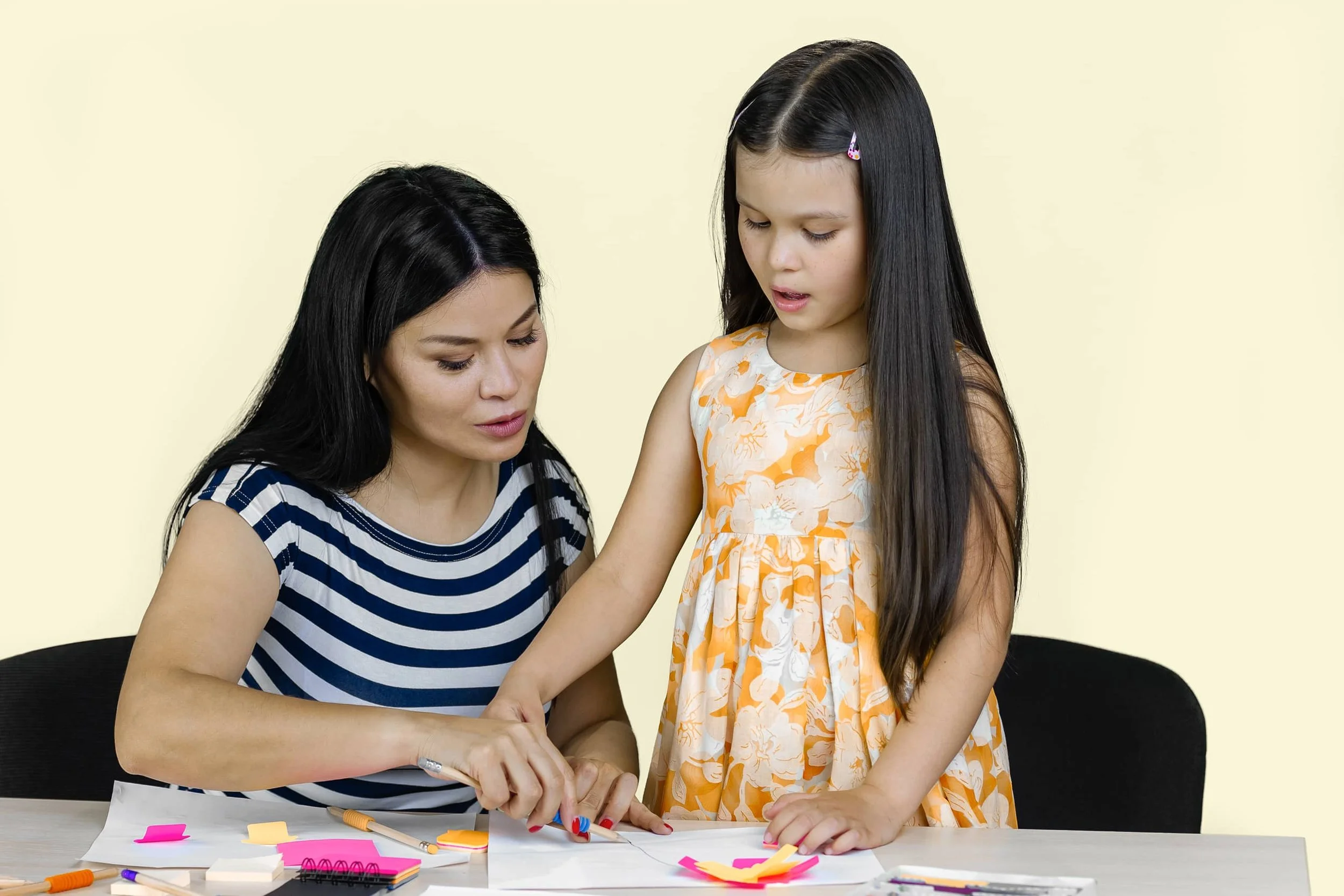
During the assessment, the psychologist works one-on-one with the child or adolescent, guiding them through a series of standardised tests and interactive tasks. These are designed to assess core abilities including reasoning skills, processing speed, working memory and verbal comprehension, as well as aspects of achievement in the areas of reading, writing, and maths. The process may involve cognitive tools such as WPPSI-IV for younger children aged under 7, a WISC-V for older children, and WIAT-III to evaluate academic achievement.
The assessment is conducted in a calm and supportive environment to help the child perform at their best. We use a holistic approach, recognising that mood, attention, and comfort all influence academic performance.
-
Following testing, our psychologists analyse all assessment results to prepare a detailed, comprehensive report. This report outlines academic strengths, challenges for the individual, and practical individualised recommendations. It may include suggestions for teaching adaptations, classroom adjustments, strategies to assist within the home environment, or external support services.
-
After the evaluation, a feedback session is held with parents to discuss the outcomes. During this meeting, we review the documentation, explain what the results mean, and assist in planning the next steps. Our psychologists take the time to develop a clear understanding of each child’s learning, helping families and schools apply effective strategies moving forward.
Working With Parents, Schools and Teachers
At Berry Collective Psychology, collaboration is central to our services. We work closely with parents, teachers, and schools to ensure the assessment outcomes are practical and able to be applied within the classroom.
Our psychologists develop open communication lines with all parties involved, encouraging shared understanding across educational settings, healthcare professionals and the home environments. With this collaborative approach, everyone involved in a child’s development, from parents to teachers and health professionals, has access to the same information, ensuring support strategies are consistent and effective.
We also recognise that every student is unique. Our team values inclusivity, focusing on each learner’s ability and potential rather than their limitations. Through discussion and guidance, we assist parents and educators to interpret assessment results and develop approaches that build confidence, resilience, and independence in learning.
Next Steps After the Assessment
Once the feedback session is complete, parents will have a clear picture of their child’s development, academic performance, and potential learning difficulties. Our psychologists provide individualised recommendations that can be implemented at home and within school environments.
Berry Collective Psychology’s team can also guide families toward further information or specialised services where additional support is required. This may involve occupational therapy, speech therapy, a paediatrician or educational tutoring, depending on the underlying causes identified.
Our commitment extends beyond testing; we ensure families feel equipped and informed throughout the entire process. Through a consistent, holistic approach, we aim to help each child reach their full potential in both academic and personal development.
Why Choose Berry Collective Psychology
Choosing Berry Collective Psychology for educational assessments in Northern Sydney means working with a team that values each person’s growth and individuality.
We focus on you as a person. Our holistic approach considers emotional, behavioural, and environmental aspects of learning.
We pair you with the best practitioner for you. Every client is paired with a professional best suited to the individual’s presentation and the referral question.
Your personal growth is our priority. We assist parents and clients in developing practical strategies that foster resilience and confidence.
We are a team of experts. Our psychologists have extensive experience conducting cognitive assessments and interpreting standardised tests such as the WPPSI-IV, WISC-V and WIAT-III.
Our approach helps you feel at ease. We create a calm, supported and respectful environment for every child to perform their best.
We develop an inclusive relationship. Open communication ensures that parents, teachers, and schools feel supported from beginning to end.
FAQs
-
Our assessments are suitable for children aged 4 years and above, including adolescents in secondary school. The particular assessment tools used depend on the child’s age and academic stage.
-
Each assessment testing session typically runs for between 1.5 and 2 hours, depending on the range of tasks and standardised tests used. There will typically be one or two testing sessions involved in the assessment. Additional time is allocated for the feedback session and preparation of the comprehensive report.
-
Yes. Schools generally accept documentation from registered psychologists. The comprehensive report from Berry Collective Psychology can be shared directly with the school and teachers to guide teaching and classroom strategies.
-
Parents are welcome to attend the initial information gathering sessions and the feedback session, but it’s best for the child to complete the actual assessment independently. This allows psychologists to assess genuine responses and determine academic strengths without external influence.

Begin the Process
For parents seeking clarity about a child’s learning, Berry Collective Psychology offers a trusted and professional pathway. Each assessment is conducted with care, accuracy, and understanding, helping to identify the underlying causes of difficulties and guide long-term growth.
To find out more or to discuss your child’s development, contact Berry Collective Psychology today for further information on our educational assessments in Northern Sydney.